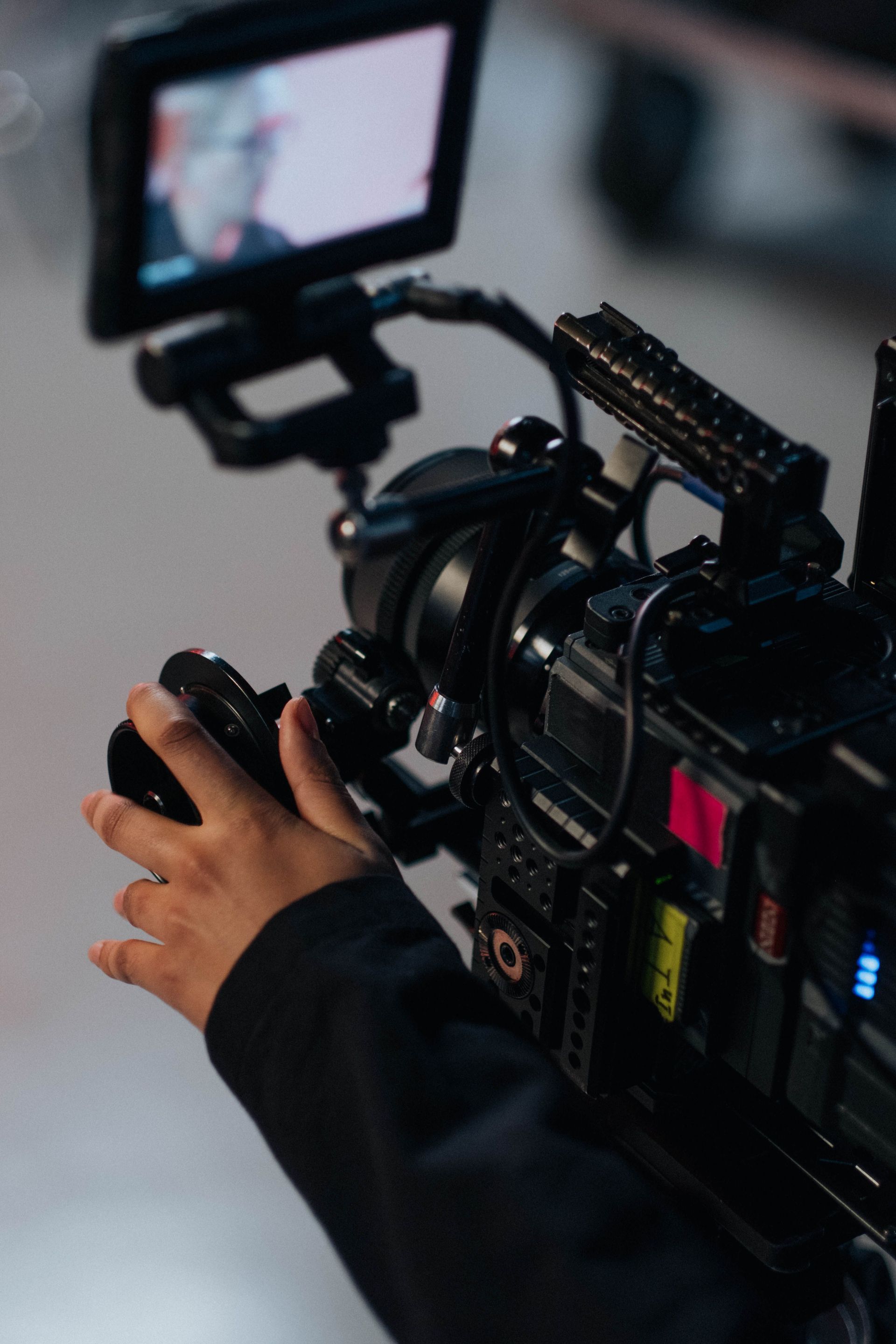
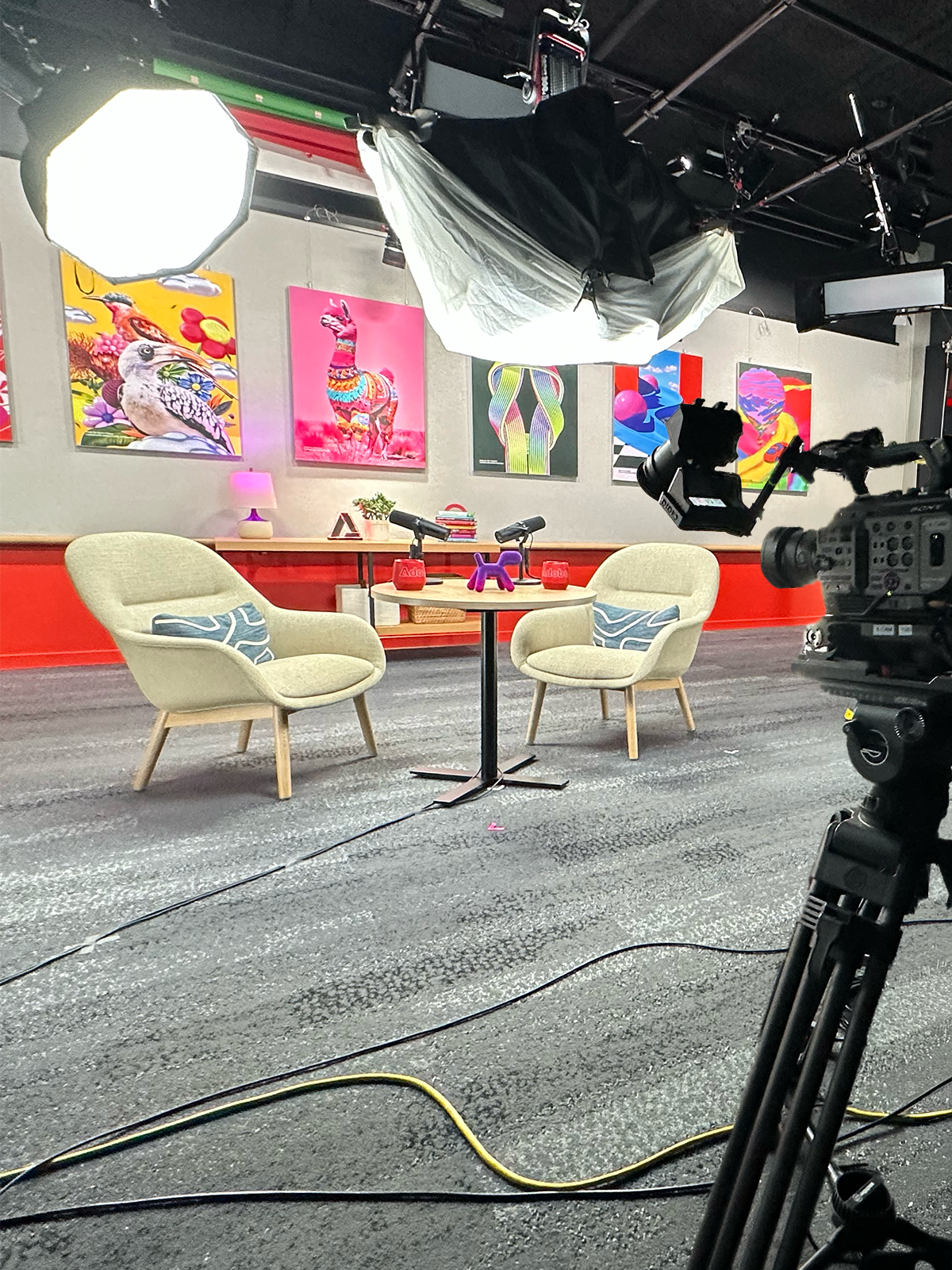
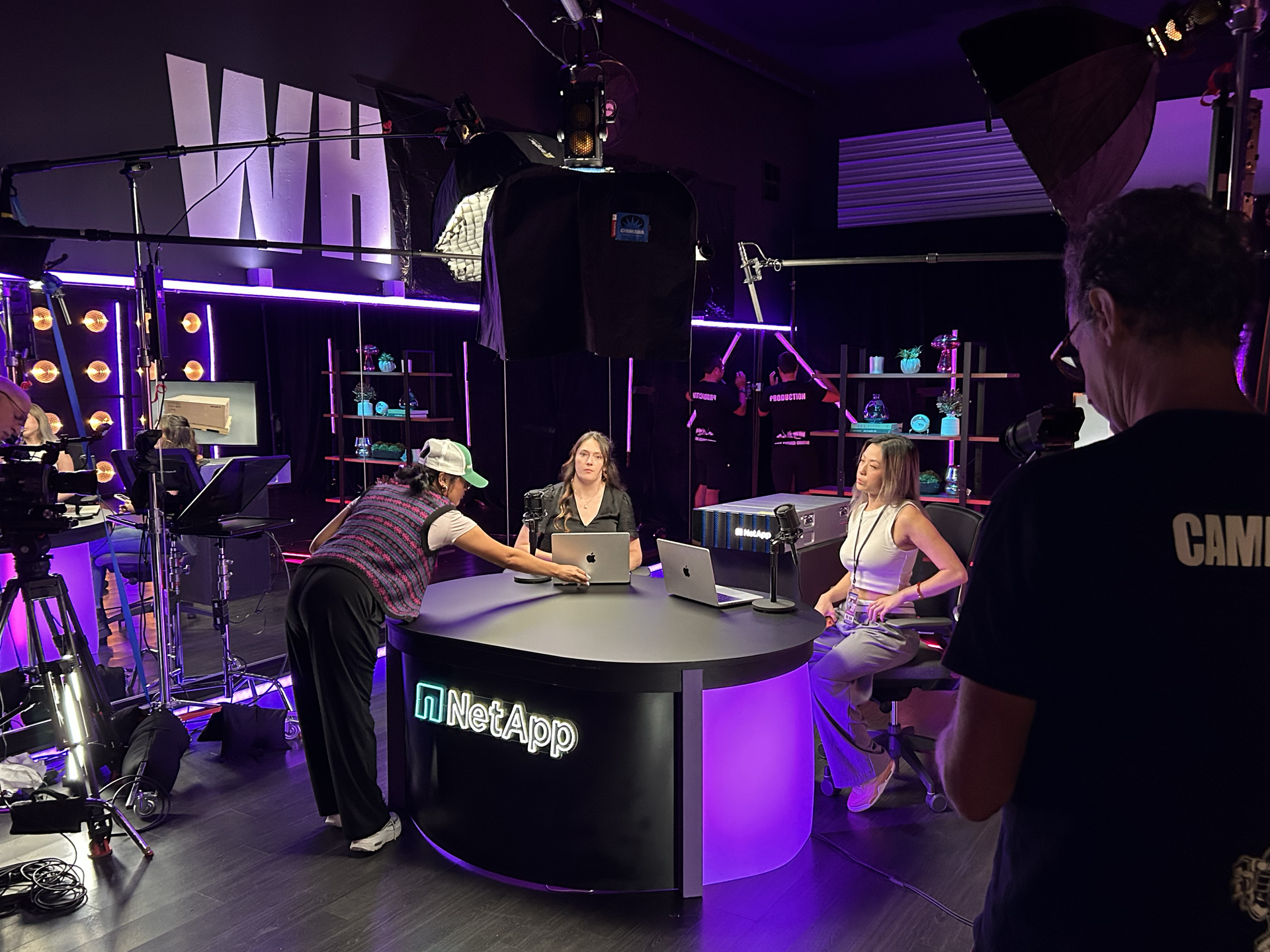
When people think about video production, the first questions are usually about gear.
What camera do you use?
Is it 4K? 6K?
Do you shoot cinematic?
Those are fair questions, but they’re not the ones that decide whether a video actually works.
Because here’s the truth:
no amount of gear can save a video with a weak story.
The Gear Obsession (And Why It Misses the Point)
High-end cameras, lighting, and sound equipment absolutely matter. They help a video look polished and professional. But they’re not what makes someone watch past the first few seconds.
People don’t engage with videos because they’re sharp.
They engage because something about it feels relevant, clear, or honest.
A beautifully shot video with no real point is still forgettable.
What “Story” Really Means in Corporate Video
Storytelling doesn’t mean adding drama or turning your company into a movie trailer.
In corporate video, the story is much simpler, and much more important.
It’s about:
- Knowing who the video is for
- Understanding what they need to hear
- Organizing the message so it actually makes sense
- Saying something real, not just impressive-sounding
A good story gives the viewer a reason to care. A great one makes them feel like,
“Okay, this company gets it.”
Connection Beats Perfection Every Time
Most corporate audiences aren’t watching with a critical eye for production specs. They’re watching while multitasking, scrolling, or trying to solve a problem.
They’re asking:
- Is this relevant to me?
- Do I trust these people?
- Is this worth my time?
That connection doesn’t come from a lens choice. It comes from clarity, tone, and authenticity.
We’ve all seen videos that look expensive but feel empty. And we’ve all seen simpler videos that feel human. Those are the ones that stick.
Gear Supports the Message, But It Doesn’t Create It
Think of gear as support, not the foundation.
Lighting helps guide attention.
Sound helps people stay engaged.
Camera movement can reinforce emotion.
But none of those things matter if the message isn’t clear.
A strong story with decent production will always outperform a weak story with perfect production.
Why Corporate Videos Often Fall Flat
When corporate videos miss the mark, it’s rarely a technical issue.
It’s usually because:
- The message is unclear
- Too many ideas are crammed into one video
- Everything sounds scripted or overly polished
- The focus is on the company instead of the audience
Those are storytelling problems. And they can’t be fixed in post.
Story-First Video Is a Business Advantage
When story comes first, everything else gets easier.
The shoot is more focused.
The edit is cleaner.
Stakeholders align faster.
The final video actually gets used.
Story-first videos also have a longer shelf life. Visual trends change. Messaging that’s clear and honest doesn’t.
Where Professional Production Really Adds Value
A good production team doesn’t just show up with equipment.
They help:
- Ask the right questions before the shoot
- Shape the message so it feels natural, not forced
- Guide people on camera so they sound like themselves
- Make creative choices that support the story, not distract from it
The goal isn’t to show off production value.
It’s to make the message land.
The Bottom Line
Great corporate video isn’t about having the best gear in the room.
It’s about knowing what you’re trying to say, and saying it in a way people actually want to listen to.
When the story is right, the visuals have purpose.
When the story is missing, even the best gear won’t help.
If your video needs to build trust, explain value, or move people to action, start with the story. Everything else comes after.