


Why We Want Your Input on the Script
The honest answer: it depends on how good you want it to look. A shot that looks effortless usually took real time to set up — the time isn't wasted, it's where the quality actually comes from. Setup: 2-3 hours from arrival to talent-ready. This is lighting, camera positioning, and framing — the part that determines whether the finished piece looks professional or looks like someone pointed a camera at a person in a room. This is also where a lot of the "room transformation" work happens: turning whatever space we're given into something that looks designed. The interview itself: usually 30 minutes to an hour. Once the setup is right, the actual interview moves quickly — most of a shoot day isn't spent rolling camera, it's spent making sure what gets captured in that 30-60 minutes actually looks right. Breakdown and load-out: 60-90 minutes. So a straightforward interview-only day — setup, interview, breakdown — runs somewhere around 4-5.5 hours door to door. B-roll adds another 2-3 hours , depending on how much ground it needs to cover. A few practical things that make B-roll time more effective, not just longer: Consolidate the shot list before the shoot day, and organize it by location. Bouncing between spots without a plan burns time that could go toward getting better coverage. More time for B-roll is almost always better, not a nice-to-have — rushed B-roll is the first thing that looks rushed in the final edit. If any of it involves windows or shooting outside, timing matters a lot. Light changes fast, and the wrong hour can undo an otherwise good plan. This is exactly why preplanning — knowing the space, the light, and the shot list before the day itself — makes the biggest difference in how the day actually goes.
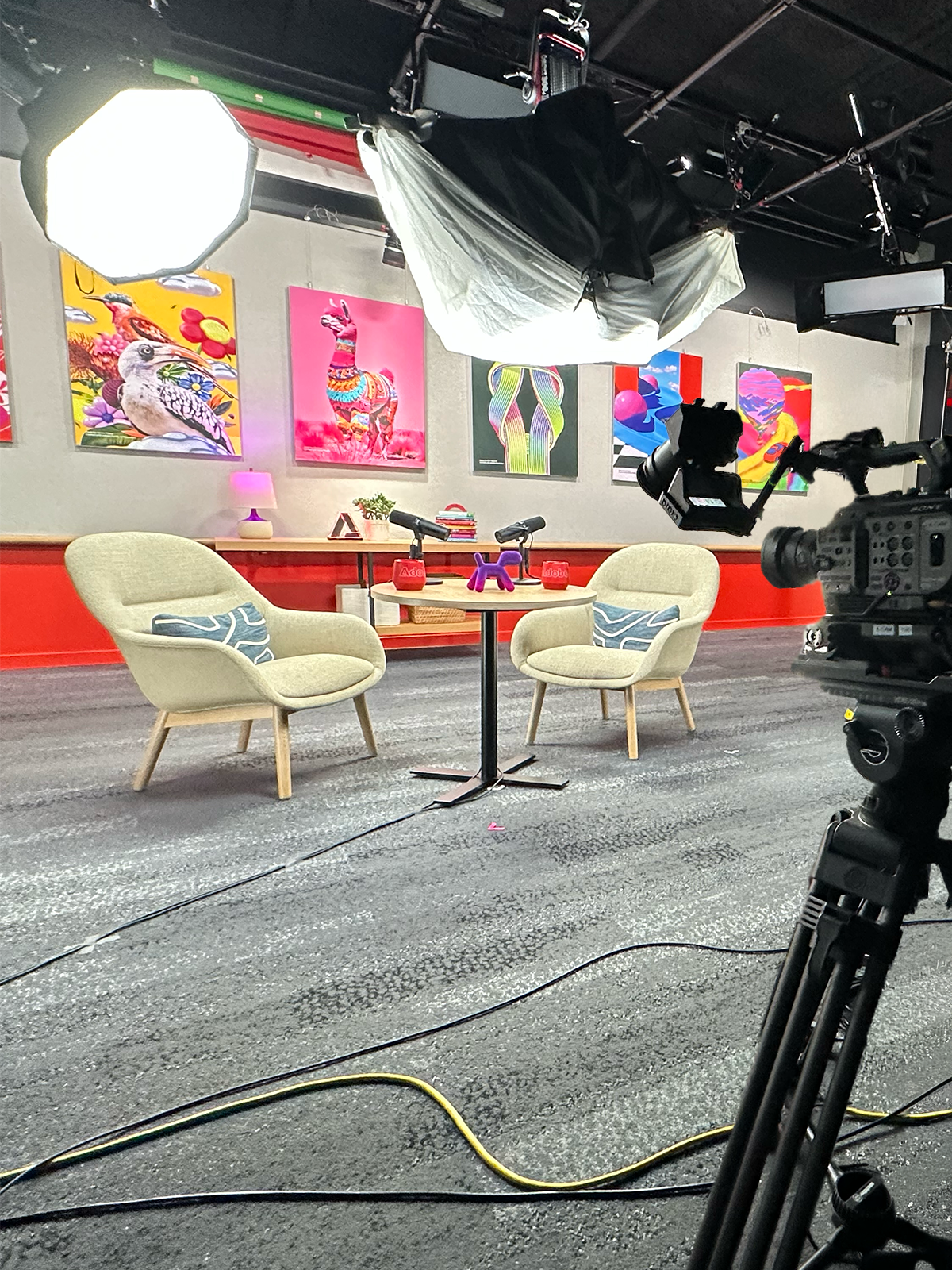
Most production companies won't tell you a number until you're already on a call with them. Here's a real breakdown of what to actually expect. Production starts at $3,000/day, with a typical interview-and-B-roll day running closer to $4,000/day — one director of photography, one dedicated audio person, and the camera, lighting, and audio equipment that goes with them. That's not a skeleton crew cutting corners; it's the minimum that gets you usable footage and usable audio on the same day. Adding a teleprompter runs about $1,000 more. Worth it any time a subject is reading precise, approved language — an executive statement, legal or compliance-reviewed copy, anything where "close to the script" isn't good enough. A makeup artist is highly recommended for executive interviews, and also runs about $1,000. On-camera lighting is unforgiving in a way regular life isn't — shine, uneven skin tone, and tired-looking eyes all read much more strongly on camera than in person. For a video that's going to represent a company's leadership, this is one of the cheapest ways to make sure the finished piece actually looks as polished as the production around it. Editing runs $1,200-1,500/day, and a typical project uses about 5 days of actual editing work — that's the number that drives cost. Worth knowing separately: the calendar time to final delivery is usually longer, closer to 2-3 weeks , because real feedback rounds happen between each editing pass: rough cut, feedback, revision, feedback, revision, final polish (see our full shoot-day and post-production timeline). The editing work itself isn't what stretches the calendar; the back-and-forth is, and it's normal. If a project is cut strictly to a pre-approved script — no open-ended feedback loop, just matching picture to already-locked copy — the editing work itself can come down to about 3 days , and the overall calendar timeline shrinks accordingly. If you want a faster turnaround, locking the script before the edit starts is the single biggest lever you control. So what does a real project cost? A basic interview-and-B-roll day plus a typical 5-day edit lands around $10,000-11,500 all-in; with a tighter, script-locked edit, closer to $7,600-8,500. Add a teleprompter and makeup artist for a full executive-ready package — the combination we'd actually recommend for anything featuring leadership — and it's roughly $12,000-13,500 with the standard edit timeline, or $9,600-10,500 with a script-locked edit. Neither range includes multi-day shoots, additional crew, travel, or post-production extras like motion graphics — but it's a real starting point, not a guess. One important caveat: all of this assumes a basic setup — one camera, standard lighting. The moment a set gets bigger or more ambitious, the numbers move with it. More cameras, more lighting instruments, more crew to run them — a larger production simply needs more people and gear on the day. Some of our bigger multi-camera productions have run closer to $15,000/day . The honest answer is that "how much does this cost" depends heavily on the specific shoot, which is exactly why the most useful next step isn't a generic number — it's sending us a few photos of your location (or telling us what you have in mind) so we can give you a real estimate instead of a guess.
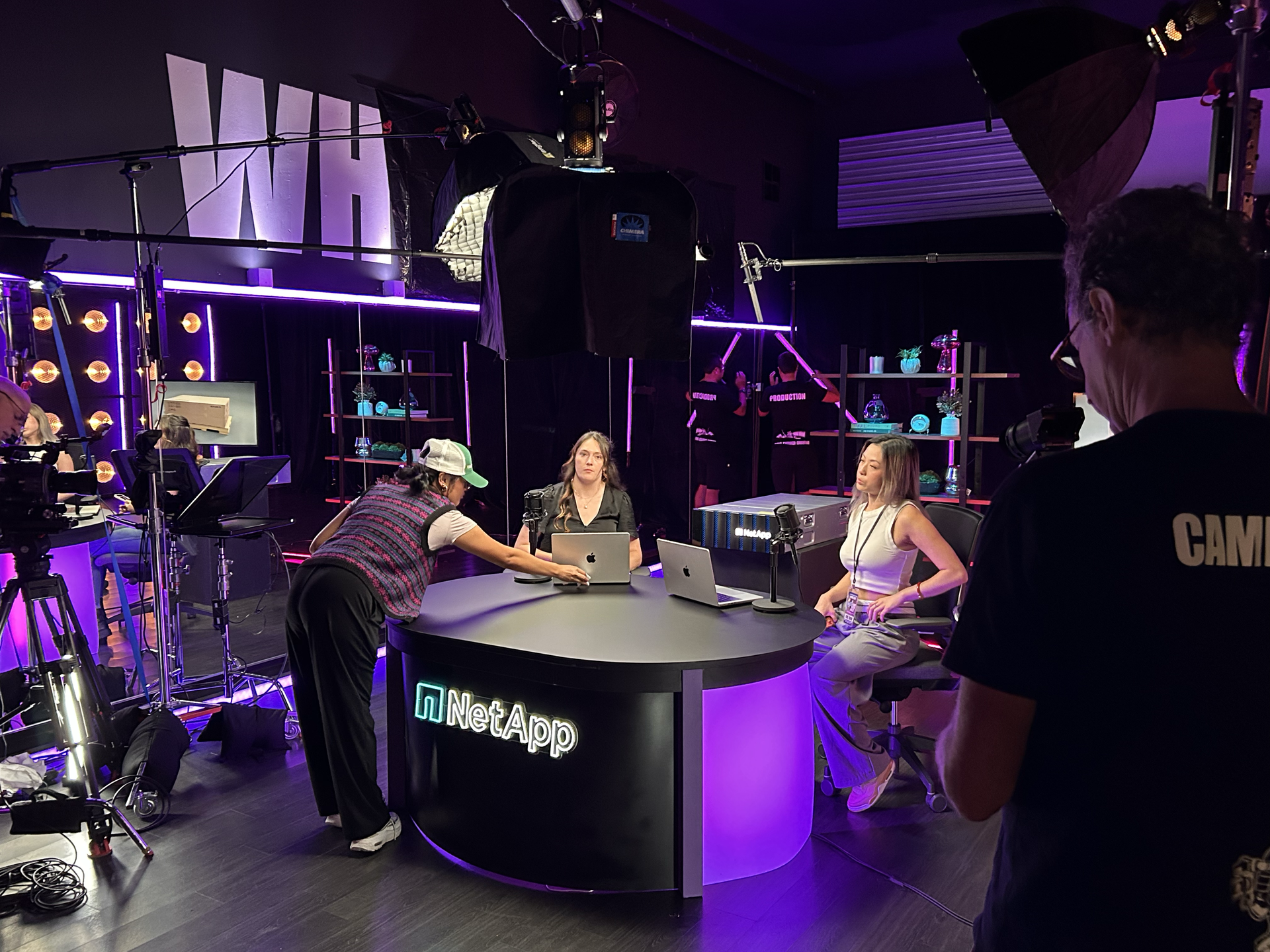
Thinking about a video podcast for your brand? Learn what actually matters — location, format, and edit pacing — from Urban Samurai Creative's production team.
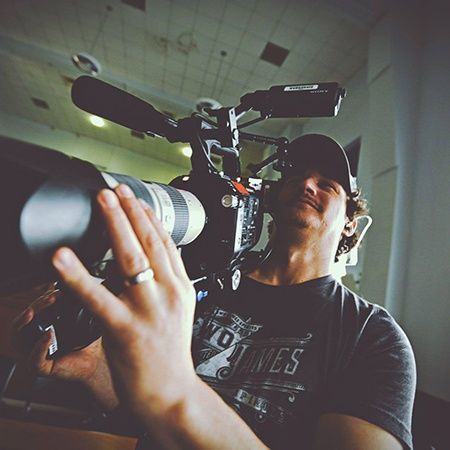
Cameras and lights make a video look polished. Story is what makes people watch. How we build corporate videos around the message.
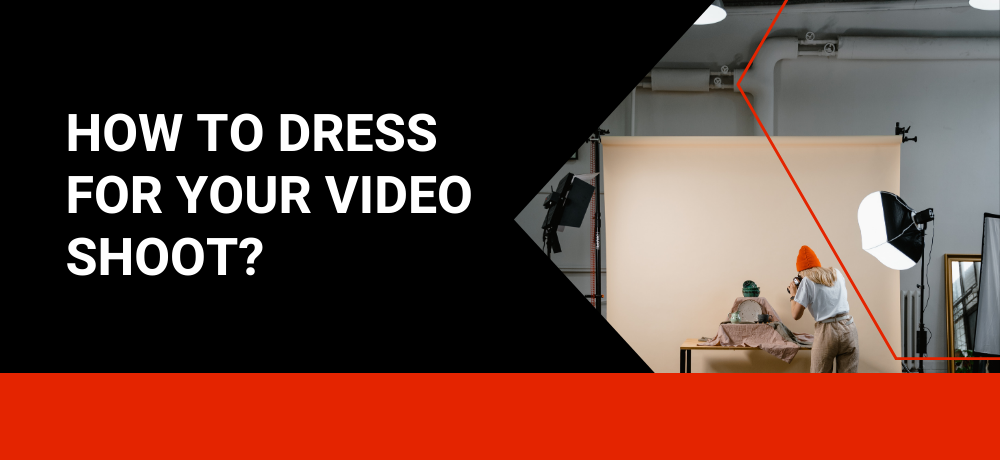
What to wear on camera: colors, patterns and fit that look good on video, from a corporate video production team.