Tips Article: How Long Does a Corporate Video Shoot Actually Take?

October 1, 2026

Pacing Lives in the Edit, More Than Almost Any Other Format We Shoot

Audio Is Non-Negotiable

How Long Does a Corporate Video Shoot Actually Take?

The honest answer: it depends on how good you want it to look. A shot that looks effortless usually took real time to set up — the time isn't wasted, it's where the quality actually comes from.


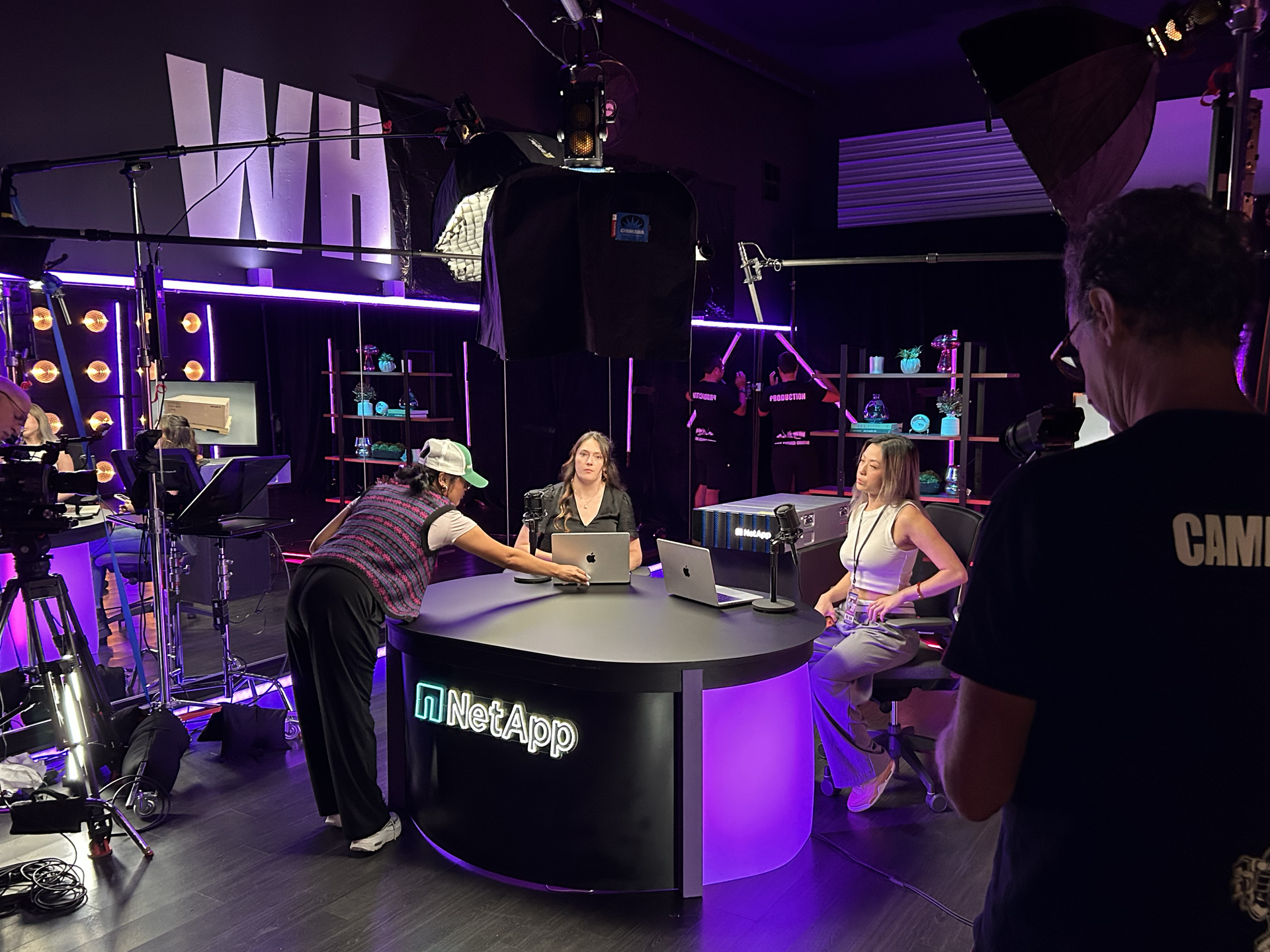
Setup: 2-3 hours from arrival to talent-ready. This is lighting, camera positioning, and framing — the part that determines whether the finished piece looks professional or looks like someone pointed a camera at a person in a room. This is also where a lot of the "room transformation" work happens (see our piece on turning whatever space we're given into something that looks designed).


The interview itself: usually 30 minutes to an hour. Once the setup is right, the actual interview moves quickly — most of a shoot day isn't spent rolling camera, it's spent making sure what gets captured in that 30-60 minutes actually looks right.

Breakdown and load-out: 60-90 minutes.


So a straightforward interview-only day — setup, interview, breakdown — runs somewhere around 4-5.5 hours door to door.


B-roll adds another 2-3 hours, depending on how much ground it needs to cover. A few practical things that make B-roll time more effective, not just longer:


  • Consolidate the shot list before the shoot day, and organize it by location. Bouncing between spots without a plan burns time that could go toward getting better coverage.
  • More time for B-roll is almost always better, not a nice-to-have — rushed B-roll is the first thing that looks rushed in the final edit.
  • If any of it involves windows or shooting outside, timing matters a lot. Light changes fast, and the wrong hour can undo an otherwise good plan. This is exactly why preplanning — knowing the space, the light, and the shot list before the day itself — makes the biggest difference in how the day actually goes.

What happens after the shoot: budget 2-3 weeks to final delivery

The shoot day is actually the fast part. Editing work itself totals around 5 days — but because real feedback rounds happen in between each pass, the realistic calendar time from shoot day to final delivery runs closer to 2-3 weeks, not 5 days. Here's what actually fills that time:


  • Transcription and rough script: 2-3 days. After the shoot, we provide a full transcription so you can put together a rough edit script — this step happens on your end, and it's the first real time cost before editing even starts.
  • Rough cut: about 2 days of editing work.
  • First feedback round: 2-3 days, while you and your team review.
  • Revision edit: 1 day.
  • Second feedback round: 2-3 days.
  • Another revision edit: 1 day.
  • Final feedback round: 2-3 days, plus a final pass for color correction and sound polish.


None of these individual steps is slow — the editing itself adds up to about 5 work days total. What actually stretches the calendar is the waiting in between each round, which is normal and usually necessary (good feedback takes real review time, not a rushed skim). Knowing this upfront just makes it easier to plan backward from a real deadline instead of being surprised by it.


If you're scoping a shoot and want a realistic schedule for your specific project, that's worth a real conversation — send us a sense of the space and what you're trying to capture, and we can map out an actual timeline instead of a guess.

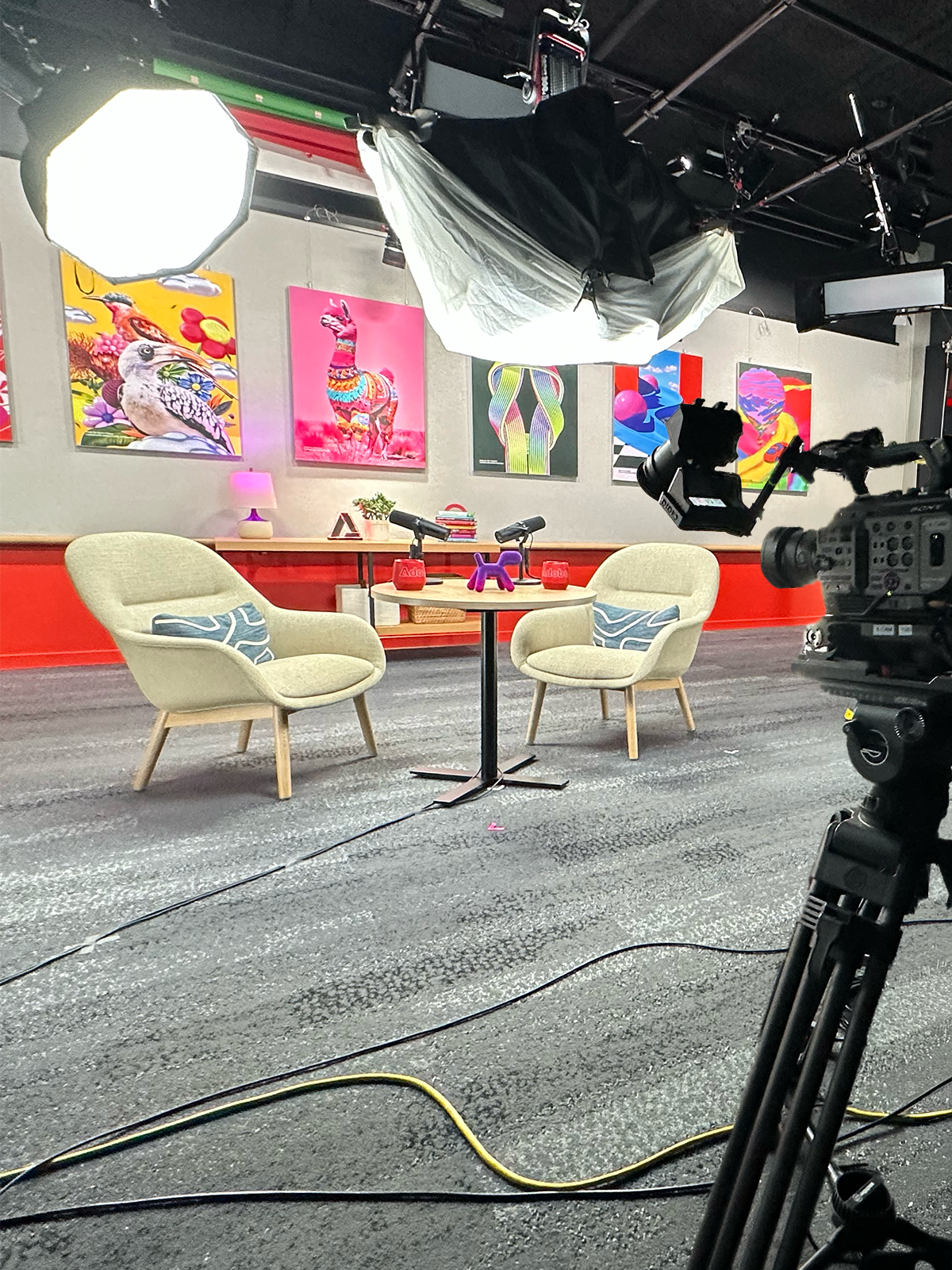
TV studio set with two beige chairs, a small table, lights, backdrop art, and a camera in the foreground
September 1, 2026
A real breakdown of what corporate video production actually costs — production day rates, add-ons like teleprompter, and how long editing really takes.
August 3, 2026
Thinking about a video podcast for your brand? Learn what actually matters — location, format, and edit pacing — from Urban Samurai Creative's production team.
March 3, 2026
High-end cameras, lighting, and sound equipment absolutely matter. They help a video look polished and professional. But they’re not what makes someone watch past the first few seconds.